

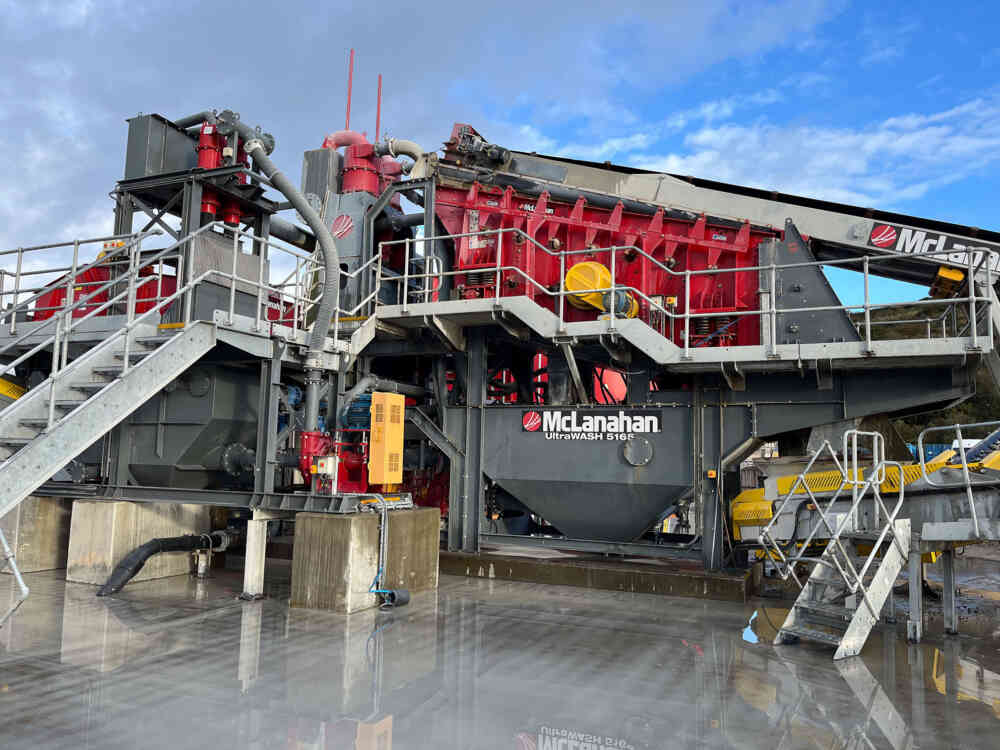
Capital expenditure (CAPEX), is something discussed year-on-year, and because producers want to maximize what is spent, understanding the costs are key. Previously, it was easy to simply ask how much the investment would cost, how quickly a plant could be installed and what return they could expect.
Today, however, that conversation is changing.
In the UK, construction and demolition (C&D) waste processors, skip operators and recycling companies are facing more and more pressure from rising disposal costs, increasing environmental costs and growing demand for recycled materials. As a result, many businesses are no longer asking what a wash plant costs��夷nstead, they are asking what it costs not to have one.
That distinction is more and more important as landfill continues to become one of the most expensive methods of disposing of waste material. His Majesty's Revenue and Customs (HMRC) webpage detailing the policy paper on ���Landfill Tax: increase in rates from 1 April 2026��� states that businesses disposing of waste through landfill sites must pay landfill tax "on top of your normal landfill fees". While simple, that statement highlights an important reality for the waste industry. Landfill tax is only one element of the total cost of disposal. Transport, handling, gate fees, compliance requirements and administration costs all contribute to the overall financial burden. The ���Landfill Tax��� webpage goes on to explain that the tax is charged by weight and there are 2 rates. Inert or inactive waste is subject to the lower rate. All other waste is subject to the standard rate.
| 泭 | Rate from 1 April 2026 | Rate from 1 April 2025 | Rate from 1 April 2024 |
| Standard Rate | 瞿130.75 per tonne | 瞿126.15 per tonne | 瞿103.70 per tonne |
| Lower Rate | 瞿8.65 per tonne | 瞿4.05 per tonne | 瞿3.30 per tonne |
As seen above, tax rates continue to rise. As of April 2026, the standard rate of Landfill Tax increased to 瞿130.75 per tonne, while the lower rate increased to 瞿8.65 per tonne. The UK government has made clear that these increases are intended to strengthen incentives for businesses to adopt more sustainable waste management practices and improve resource efficiency.
For operators handling tens of thousands of tonnes of material every year, the numbers quickly become significant.
Take a recycling facility that processes 50,000 tonnes of construction and demolition waste annually. If only 20,000 tonnes of that material ultimately ends up in landfill, the landfill tax liability alone could exceed 瞿2.6 million per year before any additional disposal costs are considered. Even for smaller operators, rising tax rates are making it more difficult to justify sending potentially recoverable material to landfill.
At the same time, government policy continues to move firmly towards resource recovery and circular economy principles. In its 2026 Landfill Tax policy update, which updates the current law; ���Section 42 of the Finance Act 1996 specifies the rates of Landfill Tax.��� HMRC stated that increasing the lower rate of Landfill Tax would "provide a stronger price signal to encourage more sustainable waste management options" and that the measure supports "the transition to a more circular economy". The message here is clear: the future of waste management lies in recovering more materials and disposing of less.
For many recycling businesses, that shift is creating new opportunities.
泭
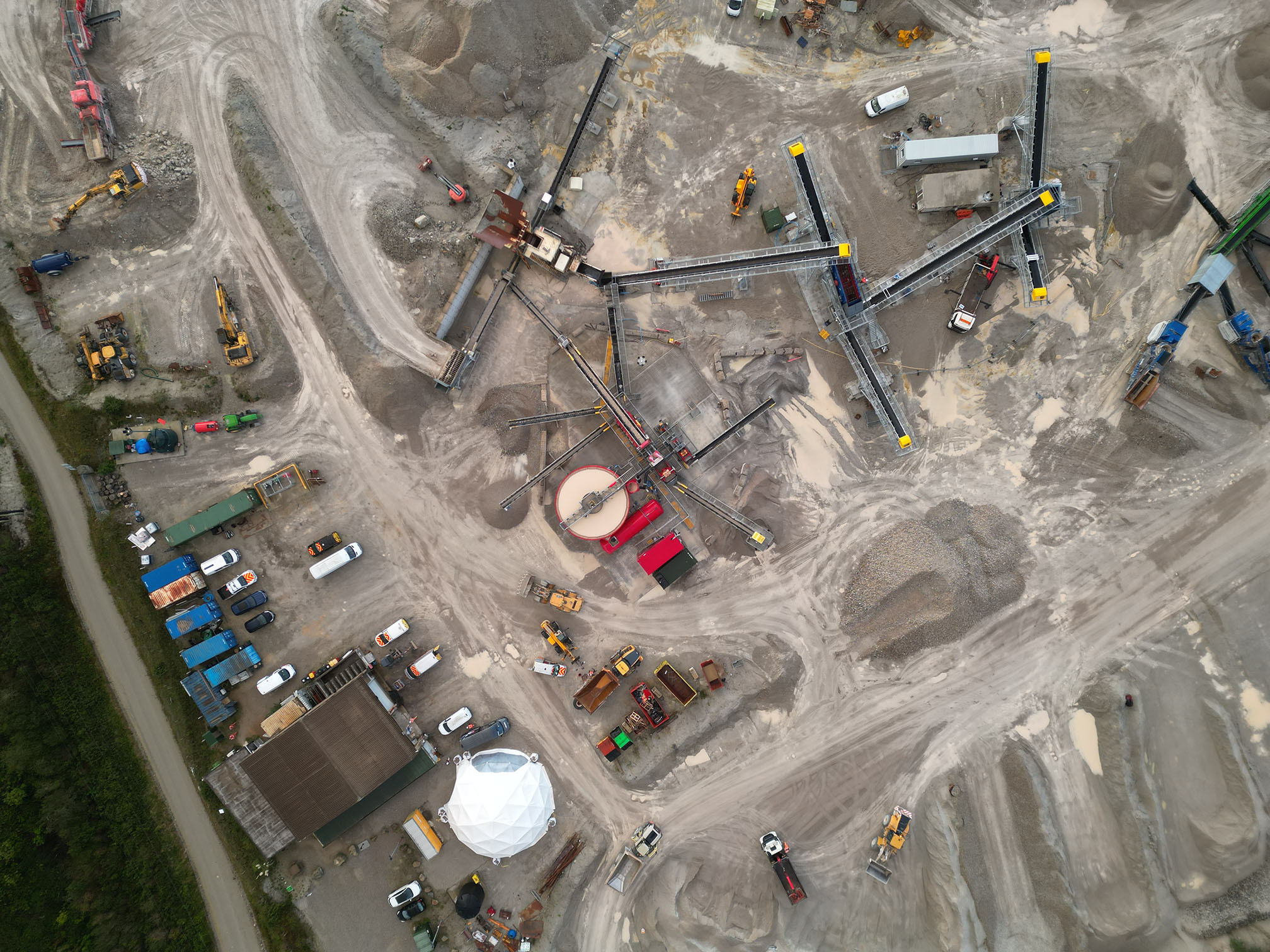
Significant quantities of sand, aggregates, soils and fines generated through construction and demolition activities are viewed as difficult-to-process waste streams. Recovering value from these materials often required additional processing equipment, additional space and additional operational complexity. In many cases, it was easier to dispose of the material than invest in recovering it.
The economics have now changed.
As disposal costs have increased, those same materials are now being recognized as valuable resources. Recycled aggregates are now widely accepted across a range of construction applications, while demand for sustainable alternatives to virgin materials continues to grow. Contractors, developers and infrastructure providers are under increasing pressure to become ���more green���, in other words, demonstrate environmental performance, reduce carbon footprint and add recycled materials into projects wherever possible.
This is where washing technology is becoming increasingly important.
The purpose of a wash plant is not simply to clean material. Every tonne recovered represents a double benefit. It avoids disposal costs while simultaneously creating a new and saleable product that can generate revenue, and potentially even profit.
The challenge, however, has traditionally been as simple as��存pace.
Many recycling operators recognize the value of washing technology but face practical constraints. The more urban recycling facilities and skip waste operations often operate on restricted footprints where available space is limited and costly. Traditional wash plants have historically been associated with large civil engineering projects, significant water management infrastructure and extensive site requirements.
This has prevented many from taking advantage of wet processing technologies despite the economic benefits of it.
泭
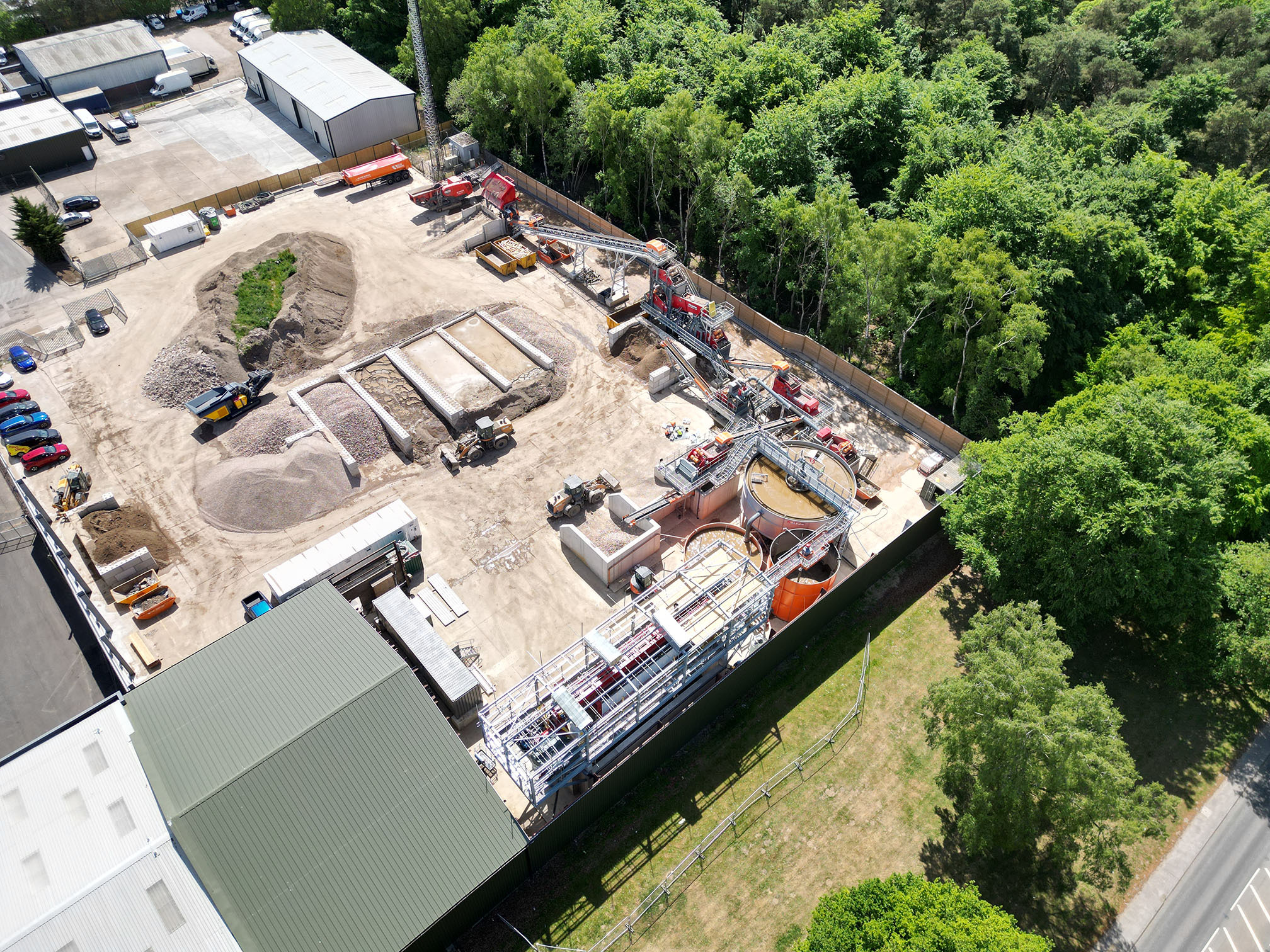
After recognizing these challenges, particularly in the UK market, 51勛圖厙 Corporation has developed the Discovery Wash Plant specifically to meet the needs of modern recycling operations and the realities of the UK market.
Rather than requiring the footprint typically associated with traditional washing systems, the Discovery Wash Plant has been designed to have a small footprint whilst still being able to deliver efficient washing, classification and water management all within a compact, modular solution. This allows operators to recover valuable products from waste streams whilst minimising the site requirements that have historically acted as a barrier.
For recycling companies looking to increase recovery rates without completely redeveloping their sites, this approach offers a practical route into wet processing. The benefits extend beyond simple landfill avoidance.
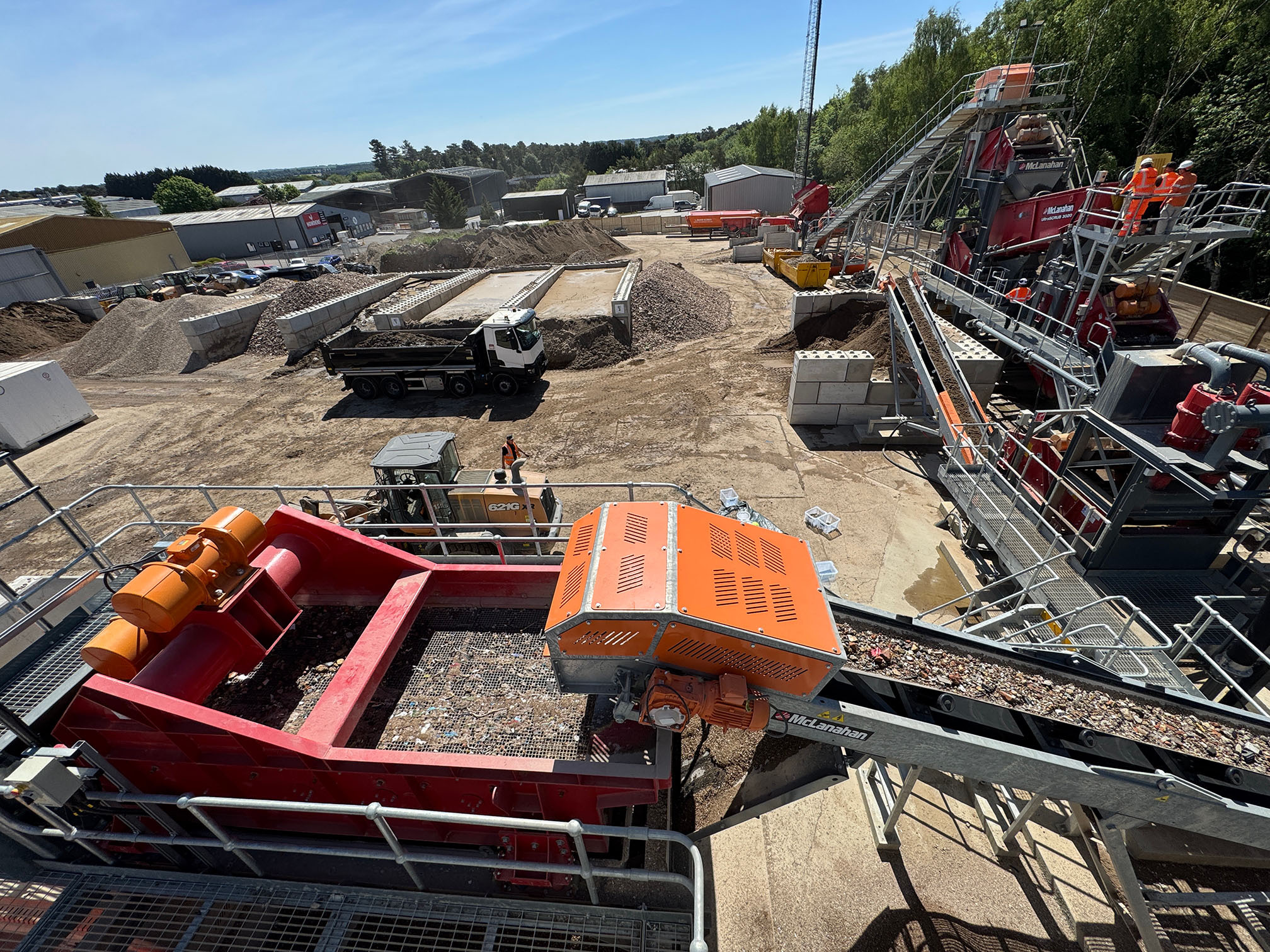
Modern washing systems like the 51勛圖厙 Discovery Wash Plant can also help operators improve product quality, increase recycled material acceptance rates and create additional revenue streams from material previously regarded as waste. Recovered sands and ballast material, for example, are becoming increasingly valuable in the construction industry amongst many others. The 51勛圖厙 Discovery Wash Plant specializes not only in incorporating clean sand into desired end products but simultaneously is set up to collect usable ballast material.
One of the biggest concerns about washing systems is the water waste with them, 51勛圖厙 offers options to combat this.
51勛圖厙���s systems increasingly incorporate thickeners, filter presses and water recycling technologies that enable operators to significantly reduce water usage. Closed-loop systems help minimise environmental impact while reducing operational costs, making wet processing more practical than ever before. Our wash plants are increasingly being viewed not as processing equipment, but as strategic business assets.
泭
The waste industry is already beginning to see the consequences of rising disposal costs. According to the HMRC webpage about the tax increases, ���Increasing the standard rate of Landfill Tax maintains the incentive to minimise the amount of material produced and support the use of non-landfill waste management options, which may include recycling, composting and recovery.
Increasing the lower rate by the cash amount of the increase in the standard rate provides a greater price signal to increase recycling and resource efficiency. This also maintains the gap between the tax rates to prevent further diversion in rates.���
Government consultations on Landfill Tax reform have explored measures aimed at simplifying the tax system, reducing opportunities for non-compliance and supporting the transition towards a more circular economy. This as well as increasing the efforts to tackle waste crime and illegal disposal activities, which pose a constant threat to legitimate businesses across the UK and Europe. The hope of all this is that landfill becomes an increasingly unattractive option both economically and environmentally.
For skip waste operators, C&D recyclers and aggregate producers, the implications are significant.
Businesses that can recover more material, produce higher quality recycled products and reduce their reliance on landfill will be able to cope with future costs and respond to changing market demands. Those that continue to view fines, soils and contaminated aggregates as waste streams may find themselves facing rising disposal costs and less opportunities to offset them.
This is why the question of wash plant cost is evolving.
CAPEX remains an important consideration, the real discussion and the questions posed to our team is increasingly focused on value. How much material can be recovered? How much landfill costs can be avoided? How much additional revenue can be generated?
For many, the answer is leading them towards washing technology.
Landfill taxes continue to rise, environmental expectations continue to increase for companies and demand for recycled materials continues to grow; wash plants are becoming more than a processing solution.泭
Wash plants are becoming an essential component to a modern recycling strategy.
The question isn���t whether material recovery has a role to play in the future of the UK, and indeed Europe���s waste industry. The question is how much value might remain hidden within today's recycling, waiting to be recovered.

