

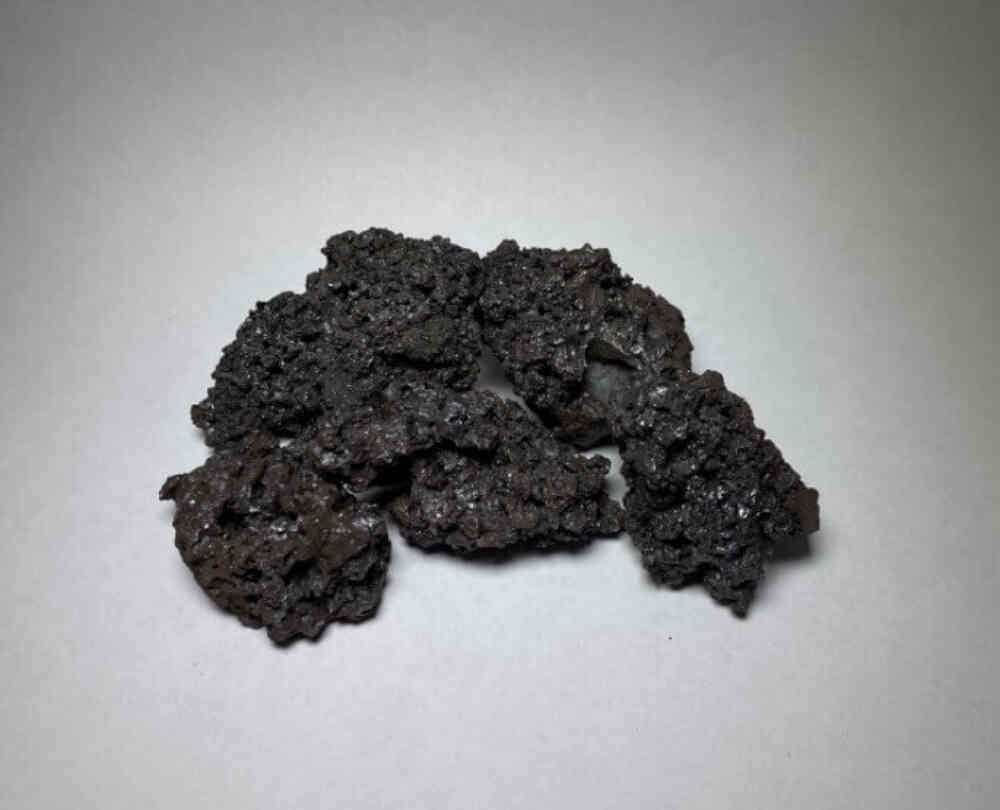
As the second most abundant metal in the world, iron is an important material in any industrial society. It’s the basic ingredient in steel and is used to strengthen other metals. Used in buildings, technology and supplements, this mineral is essential to many parts of life.Â
What is iron?
Iron is a chemical element and a metal that is extracted from iron ore and processed for use. Iron ore is found in minerals of iron oxide. Ores, like iron ore, are naturally occurring rocks or mineral deposits that contain a valuable mineral or metal.Â
As it is a metal, iron is a good conductor of heat and electricity and is malleable and ductile.
Iron can be combined with other elements to create alloys with different properties than iron itself. For example, when combined with carbon, iron creates an alloy called steel; steel is strong and resistant, while iron alone is strong but brittle.
How is iron formed?
Iron is mainly found in the Earth’s crust as iron-oxide ores. Iron-oxide ores include magnetite and hematite. Other iron-rich minerals include goethite and limonite. Hematite and magnetite are most commonly used for recovering iron because they have high iron content.Â
While the characteristics of iron ore vary depending on the type, iron ore is typically hard, dense and heavy. One of iron’s most notable properties is it magnetism. The minerals that compose iron ore differ in chemical composition, crystal structure and magnetic properties.
| Pure Mineral | Chemical Composition | Iron Content |
|---|---|---|
| Hematite | ¹ó±ðâ‚‚O₃ | 70% |
| Magnetite | ¹ó±ð₃Oâ‚„ | 60 - 70% |
| Limonite | 2¹ó±ðâ‚‚O₃·3Hâ‚‚O | 40 - 60% |
These minerals are found in banded iron formations (BIFs) and were formed millions of years ago. BIFs are a type of rock that consist of alternating layers of iron minerals and fine-grained silica. There are two types of BIFs: Lake Superior-type and Algoma type.
Formed between 2.7 and 1.8 billion years ago, Lake Superior-type BIFs are found in shallow waters of continental shelves or sedimentary basins. There are numerous deposits found around Lake Superior – hence the name.
Algoma type BIFs formed from 3.8 billion to hundreds of millions of years ago. While Lake Superior-type BIFs are thought to have formed due to iron-rich waters in a shallow sea, Algoma type BIFs are believed to have formed as a result of submarine volcanism.
How is iron mined?
Because iron is found as an ore rather than a ready-to-use metal, mineral deposits must contain a recoverable amount of iron in large deposits to be mined economically.Â
Like most minerals, iron ore can be mined by means of surface mining or underground mining. Surface mining, also called open-pit mining, is a less expensive option since the mineral is closer to the surface of the Earth.
Where is iron found?
There are mineral deposits containing iron ore around the world, with Australia, Brazil, Russia, China and Ukraine having the largest reserves globally. The U.S. Geological Survey (USGS) found that in 2023, Australia was the top producer of iron ore, having produced 960 million tonnes.Â
The USGS also found that in 2024, eight open pit mines in Michigan, Minnesota and Utah shipped 98% of usable iron ore for steel production in the United States.
Surface mining
Surface mining consists of stripping away layers of dirt to recover iron ore that lies close to the surface. After overburden and rock is cleared, the surface is drilled and blasted, creating open pits.
Once extracted from the open pits, iron ore is transported to a processing plant by trucks or conveyers.
Underground mining
Although surface mining is more common for recovering iron ore, underground mining is also used.
Underground mining requires a shaft to be dug from the surface of the Earth down into the deposit. This shaft acts as the primary vertical channel for transporting iron ore in and out of the mine.Â
How is iron processed?
Iron ore in its natural state, called crude ore, requires processing and beneficiation. Crude ore is mixed with other unwanted minerals (or gangue), affecting the iron content in the ore.Â
Depending on the iron content within the ore, different levels of beneficiation are employed. Ores that contain more than 60% iron are typically only crushed and blended due to their high iron content. The higher the iron content, the less processing required.
Typical steps in iron ore processing include crushing and screening, grinding, concentration and agglomeration.Â
Crushing and screening: Mined iron ore is reduced in size, making the product easier to process. Common crushing equipment used for iron ore processing include Jaw Crushers and Cone Crushers.Â
Once the crude ore is crushed into finer particles, it is screened and separated into lumps and fines. Typical pieces of screening equipment are Horizontal Screens and Inclined Screens.
Scrubbing: The crushed ore is scrubbed, for example in a Rotary Scrubber, to remove any impurities, like clay or silt.
Grinding: In this step, the clean, crushed iron ore is grinded into a powder by a rod mill or ball mill. By grinding the iron ore into a fine powder, iron minerals can be more easily removed from rock.
Concentration: During this process valuable minerals are recovered from gangue. The method of concentration varies depending on the qualities of the ore. Some common methods of concentration include magnetic separation and flotation.
Agglomeration: There are three methods of agglomeration: sintering, pelletizing and briquetting.
Sintering combines iron ore fines with fuel. The mixture is ignited with gas burners to heat the mixture and fuse the fine particles. Pelletizing forms pellets from concentrated ore and heats the pellets to create hard, marble-sized balls. Briquetting involves heating the ore and pressing the material into briquettes to cool.
All methods of agglomeration are used to create ore that can be fed into blast furnaces for steel and ironmaking.
What is iron used for?
Historical uses
As one of the oldest metals known to humans, iron has a long list of uses in different eras. According to the Smithsonian Magazine, archeological evidence suggests that meteorites were used as a source of iron by ancient Egyptians.
History.com’s article “Iron Age� explains that the Iron Age was a period when civilization began to use iron in place of bronze for weapons, tools and other applications. The widespread use of iron varied geographically, but the Iron age is believed to have started between 1200 B.C.E and 600 B.C.E.
Uses today
According to the USGS, in 2024, about 98% of the world’s iron ore is used to produce steel, a vital material for building the world’s infrastructure. Raw iron by itself does not have the qualities required for construction materials.Â
When combined with other elements, mainly carbon, iron becomes the alloy steel. There are various kinds of steel that are used for different applications depending on the composition.
| Iron Compound | Components | Uses |
|---|---|---|
| Cast iron | Iron + ≤ 5% carbon + silicon | Hardware, stoves and piping |
| Galvanized iron | Iron + zinc coating | Roofing, sheet metal for gutters and downspouts |
| Tin plate | Iron + tin coating | Food cans |
| Steel | Iron + > 1% carbon | Buildings, machinery and transportation |
| Stainless steel | Iron + carbon + nickel + chromium | Cutlery, cookware and medical equipment |
| Tool steel | Iron + carbon + vanadium + chromium + tungsten + molybdenum | Metal cutting tools |
The other 2% of the world’s iron ore is used in other applications, like medicine, cosmetics and plastics.
Iron is undoubtedly a crucial part of the world’s infrastructure. From buildings and bridges to surgical equipment and cookware, iron is an essential part of life and will continue to be an essential part of life.Â