

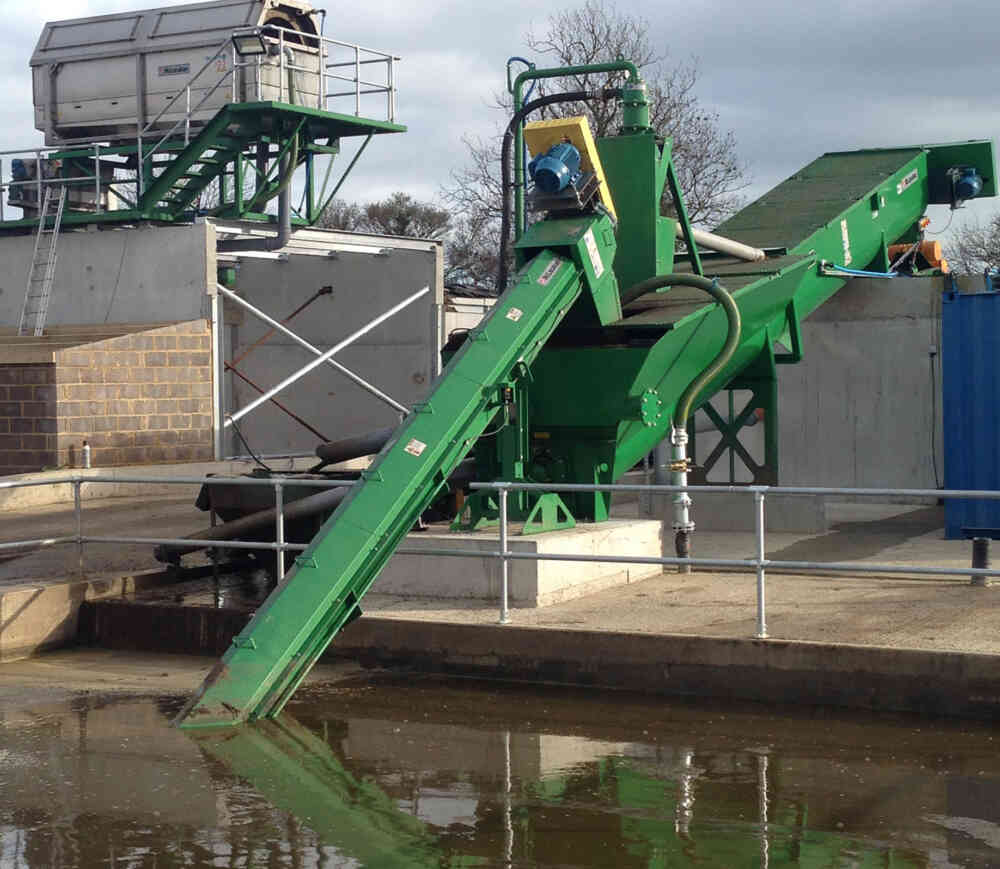
Water is one of the most important resources for any dairy farm. From cow drinking water and parlor sanitation to irrigation for crops and sand separation, every gallon plays a role in producing high-quality milk. As consumers, processors and sustainability programs place increasing emphasis on environmental stewardship, understanding your dairy's water footprint can help you identify efficiencies, benchmark performance and demonstrate your commitment to responsible resource management.
The good news is that calculating a water footprint doesn't have to be complicated. By gathering a few key records and understanding where water is used throughout your operation, you can establish a baseline and identify opportunities for improvement.
听
What Is a Dairy Water Footprint?
A water footprint represents the total amount of water used to produce a product, in this case, milk. For dairy farms, this includes both direct and indirect water use.
Direct water use includes the water cows drink, water used for cooling systems, parlor wash cycles, sand separation and barn cleaning. Indirect water use includes the irrigation water required to grow crops.
Because feed production often accounts for a significant portion of a dairy's overall water footprint, understanding water use requires looking beyond what is flowing through waterers and wash hoses. It involves considering the entire production system that supports milk production.
听
Why Measuring Water Use Matters
Measuring your dairy's water footprint provides more than just a sustainability metric. It can reveal inefficiencies that may be costing money, highlight areas where conservation practices could have the greatest impact, and provide valuable information for processor sustainability programs or environmental reporting initiatives.
Water footprints can also help dairy farmers establish benchmarks over time. Having a baseline allows you to track changes resulting from facility upgrades, irrigation improvements or herd management practices. In an environment where resource efficiency is becoming increasingly important, understanding water use is a practical business tool.
听
Identify All Water Inputs on Your Dairy
The first step in determining your dairy's water footprint is identifying where water enters and is used throughout the farm.
Start with direct uses, including:
- Cow drinking water
- Parlor wash water
- Plate coolers and refrigeration systems
- Heat abatement and cooling systems
- Employee facilities
- Sand separation
- Barn and alleyway cleaning听
Next, consider water used in feed production. This includes irrigation for silage, hay, grain and other crops grown on the farm.听
Creating a comprehensive inventory of water uses ensures you have a complete picture of the resources that contribute to milk production.
听
Gather the Necessary Data
Reliable calculations depend on reliable data. Begin by collecting records from the previous 12 months, including:
- Water bills or utility records
- Well meter readings
- Irrigation logs
- Herd inventory records
- Milk production records
- Crop acreage and yield information
- Purchased feed records
If your dairy currently tracks only total water use, that's okay. A whole-farm estimate provides a valuable starting point. Over time, adding additional water meters or monitoring systems can help separate water use by category and improve accuracy.
听
Calculating Direct Water Use
Using annual totals rather than monthly figures typically provides a more accurate assessment because it accounts for seasonal fluctuations in temperature, irrigation demand and production levels.
It's also useful to calculate additional metrics, such as:
- Gallons per cow per day
- Gallons per hundredweight (cwt) of milk
- Water use per acre of feed production
These measurements can help uncover specific opportunities for improvement.
听
Account for Feed-Related Water Use
For many dairies, feed production represents the largest component of the overall water footprint. That's why it's important to go beyond measuring direct water consumption.
If feed is grown on your operation, estimate the irrigation water applied to each crop. Include major feed sources such as:
鈥⑻鼵orn silage
鈥⑻鼳lfalfa
鈥⑻鼼rass forages
鈥⑻齋mall grains听
It's also important to recognize that geography matters. A gallon of irrigation water used in an arid region may have different sustainability implications than water supplied primarily through rainfall in a humid climate. Understanding your local water resources provides important context when evaluating results.
听
Interpret the Results
After completing the calculations, look for patterns and opportunities.
Consider questions such as:
- Which area accounts for the greatest share of water use?
- Are there seasonal spikes that deserve attention?
- Is irrigation driving most of the footprint?
- How does your operation compare with available benchmarks?听
Keep in mind that water footprint results should be viewed as a management tool, not a scorecard. Production system, climate, farm size and geographic location all influence water requirements. The goal is not necessarily to have the lowest number but to understand where improvements are possible while maintaining productivity and animal well-being.
听
Finding Opportunities for Improvement
Once you establish a baseline, small changes can often generate meaningful water savings.
Common strategies include:
- Repairing leaks in water lines and drinkers
- Installing sub-meters to track specific water uses
- Recycling parlor water for sand separation or flush water
- Optimizing parlor wash procedures
- Improving irrigation scheduling based on soil moisture or weather conditions
- Implementing precision irrigation technologies
- Enhancing soil health to improve water infiltration and retention听
In many cases, improving water efficiency also supports other goals, including energy savings, reduced operating costs and improved overall sustainability performance.
听
The Bottom Line
Understanding your dairy's water footprint starts with measuring where water is used throughout the farm. By tracking direct water consumption, accounting for feed production and comparing water use to milk output, producers can establish a meaningful baseline for continuous improvement.
The objective isn't simply to use less water, it's to use water more efficiently while maintaining cow comfort, milk production and farm profitability. With growing interest in sustainability across the food supply chain, knowing your dairy's water footprint can help position your dairy for future success while demonstrating responsible stewardship of one of agriculture's most valuable resources.