


In any material processing operation, equipment uptime directly impacts productivity and profitability. Whether processing aggregates, mining minerals, producing industrial sands, or recycling construction and demolition materials, unexpected downtime can disrupt production schedules, increase operating costs and create challenges throughout the plant.
While preventative maintenance plays a critical role in maintaining equipment performance, even the best-maintained equipment will eventually require replacement components. Having the right spare parts inventory in place helps operations respond quickly when wear parts reach the end of their service life or unexpected maintenance issues arise.
A proactive spare parts strategy can help plants minimize downtime, improve maintenance planning and keep equipment operating efficiently.
Why Spare Parts Planning Matters
Many plant operators focus on maintaining their equipment but give less attention to inventory planning. When a critical component fails and a replacement is not readily available, a relatively minor repair can become a lengthy outage.
The impact extends beyond the cost of the replacement part itself. Unplanned downtime can lead to:
- Lost production
- Delayed customer deliveries
- Increased maintenance labor costs
- Reduced plant utilization
- Schedule disruptions across multiple systems
Ìý
Ìý
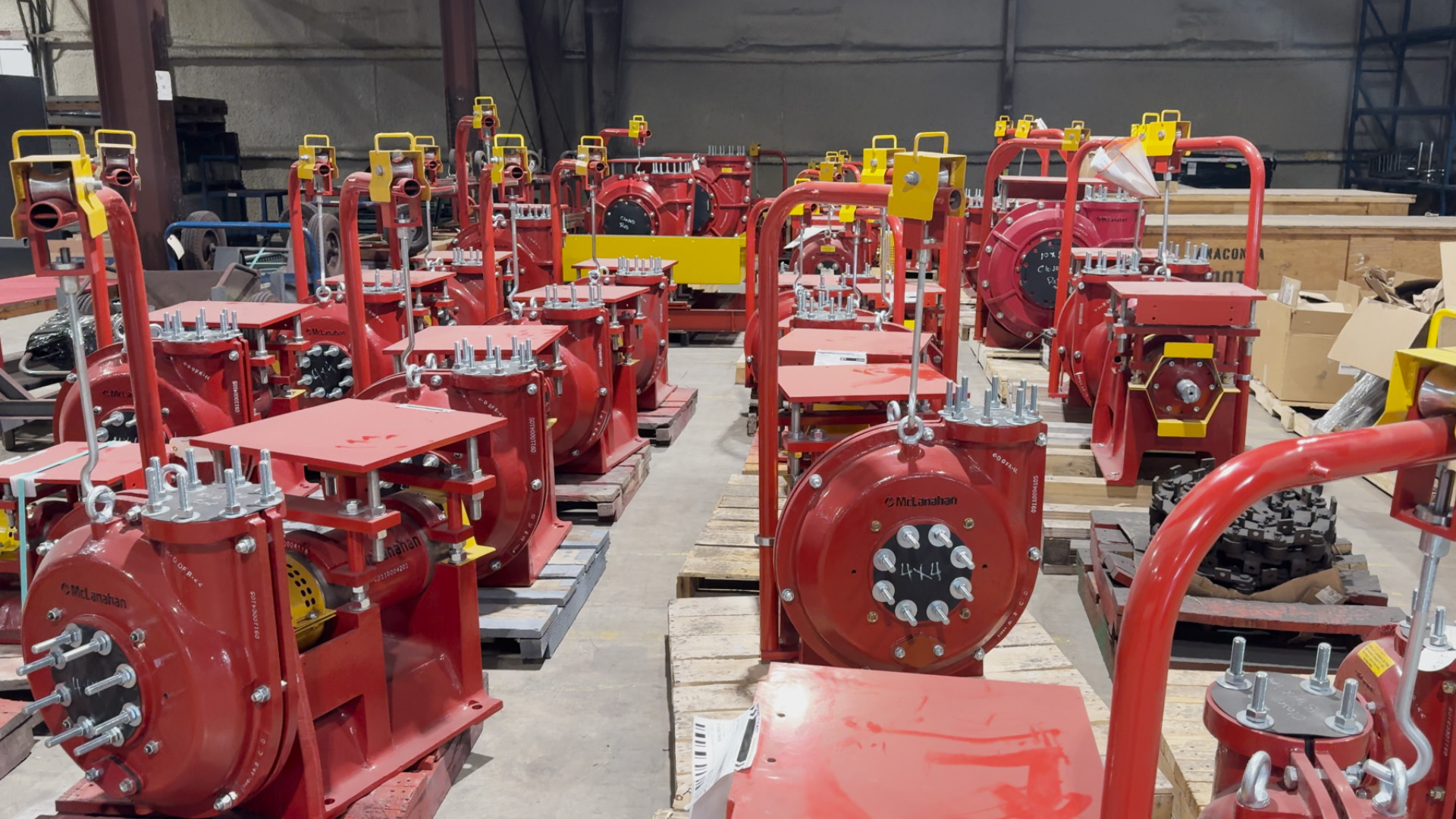
In many plants, equipment operates as part of an interconnected process. A failure in one machine can affect multiple stages of production, making a single missing component more costly than expected. Having critical spare parts readily available helps reduce repair time and limits the impact of unexpected maintenance events.
Maintaining an inventory of critical spare parts allows maintenance teams to respond quickly and return equipment to service sooner.
Identifying Critical Spare Parts
Not every component needs to be kept on the shelf. An effective inventory strategy focuses on parts that are most important to plant reliability and production goals.
Several factors can help determine which components should be stocked.
Equipment Criticality
Some equipment has a greater impact on production than others. If a single component failure could stop an entire processing circuit, the spare parts associated with that equipment should receive priority consideration.
Lead Times
Certain components can be shipped quickly, while others require longer manufacturing or delivery times. Keeping longer-lead-time parts in inventory can help reduce the risk of extended downtime. Understanding supplier lead times allows maintenance teams to make informed inventory decisions.
Wear Characteristics
Components that experience predictable wear often provide opportunities for planned replacement. Tracking wear helps maintenance teams anticipate future needs and maintain appropriate inventory levels.
Maintenance History
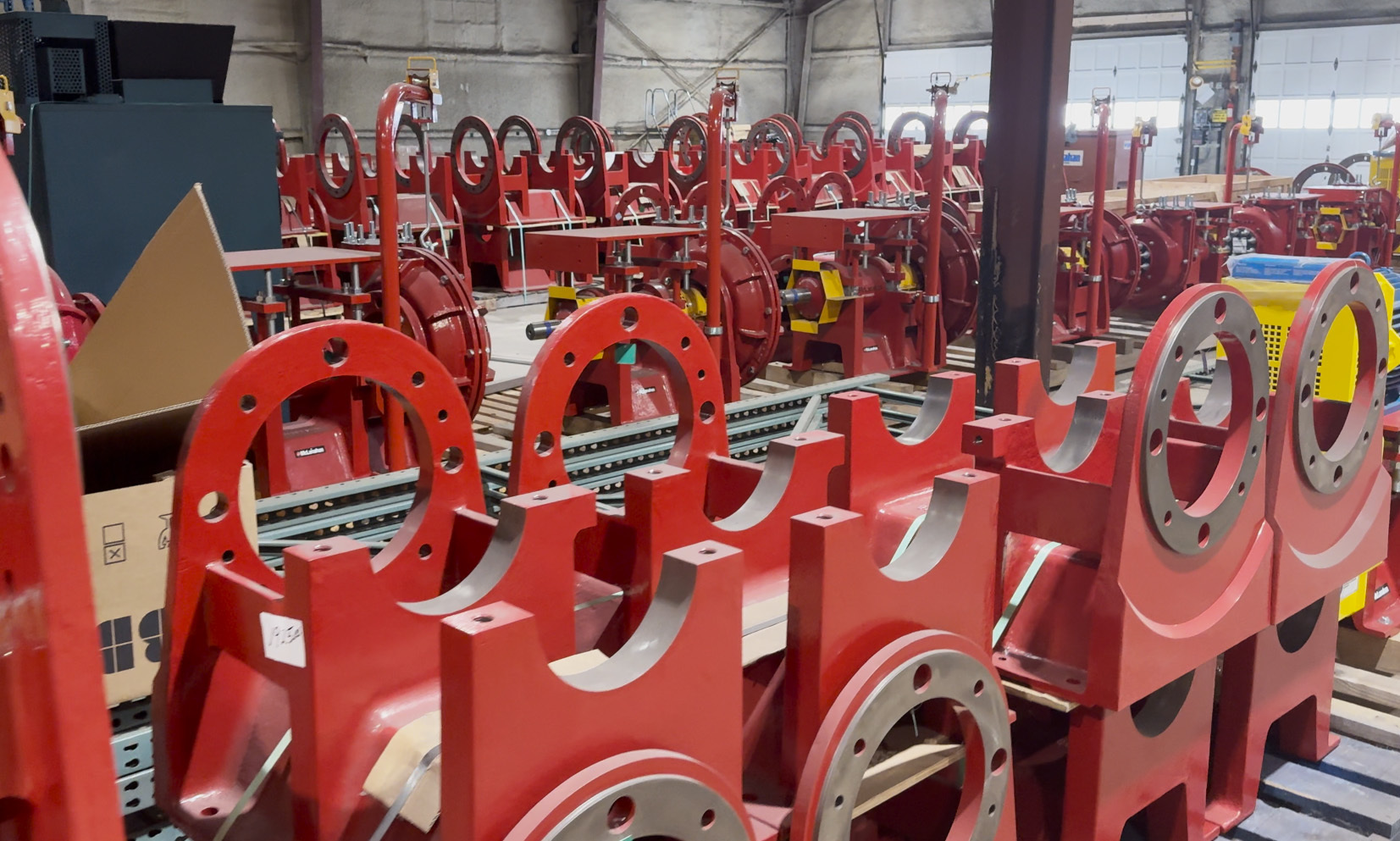
Reviewing maintenance records can reveal which parts are replaced most frequently, and which failures have historically caused downtime. This information can help guide inventory decisions and improve parts forecasting.
Ìý
Supporting Preventative Maintenance Efforts
A preventative maintenance program is most effective when replacement parts are available when needed.
Routine inspections often identify components that should be replaced during scheduled maintenance activities. Having those parts on hand allows repairs to be completed as planned rather than delayed while waiting for deliveries.
This approach helps reduce the likelihood of unexpected failures and allows maintenance work to be completed during planned outages rather than emergency shutdowns. It also helps maintenance personnel use their time more efficiently by focusing on planned work instead of reacting to breakdowns.
When spare parts planning and preventative maintenance work together, plants are better positioned to improve equipment reliability and control maintenance costs.
Why OEM Parts Matter
When replacement parts are needed, quality and fit are important considerations.
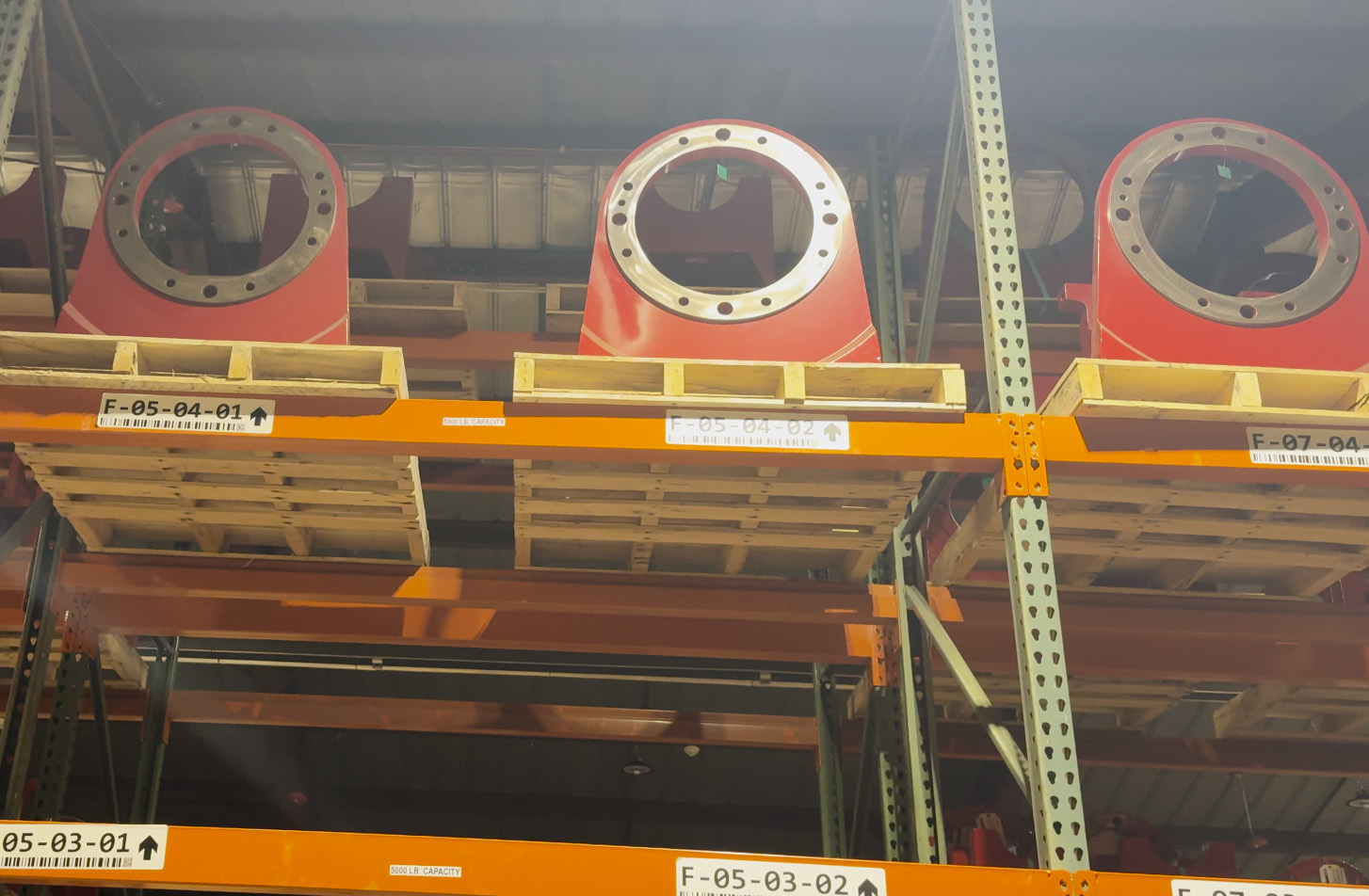
OEM spare parts are engineered specifically for the equipment they support. They are designed to meet the original performance requirements of the machine and help maintain proper operation.
While aftermarket alternatives may be available, differences in material specifications, tolerances or design can affect equipment performance and service life. Components that do not fit or perform as intended can contribute to increased wear and additional maintenance requirements.
Using OEM parts helps ensure compatibility while supporting the long-term reliability of the equipment.
Ìý
Building a Spare Parts Inventory Strategy
An effective spare parts inventory program should balance preparedness with inventory costs. Stocking every possible component is rarely practical, but carrying too little inventory can expose an operation to unnecessary downtime risk.
A well-developed strategy typically includes:
- Identifying critical equipment and components
- Establishing recommended minimum stock levels
- Monitoring wear life and replacement intervals
- Reviewing inventory regularly
- Aligning inventory planning with maintenance schedules
- Working with equipment manufacturers to identify recommended spare parts
Ìý
Inventory requirements will vary based on equipment type, production demands and operating conditions. Regular reviews help ensure critical parts remain available while avoiding excess inventory that may not be needed.
Rather than reacting to equipment failures as they occur, this approach helps plants prepare for maintenance needs in advance.
Keep Your Plant Prepared
Spare parts inventory is more than a storeroom stocked with replacement components. It is an important part of a broader reliability strategy that supports maintenance planning, equipment performance and plant uptime.
Equipment wear is inevitable, but extended downtime doesn't have to be. Having the right spare parts inventory helps maintenance teams respond more quickly to repairs, support preventative maintenance efforts and keep production moving.
51³Ô¹ÏÍø works with customers to identify critical spare parts, evaluate inventory requirements and provide OEM replacement components designed specifically for their equipment and application. With the right inventory strategy in place, plants can be better prepared to maintain uptime and keep operations running efficiently.